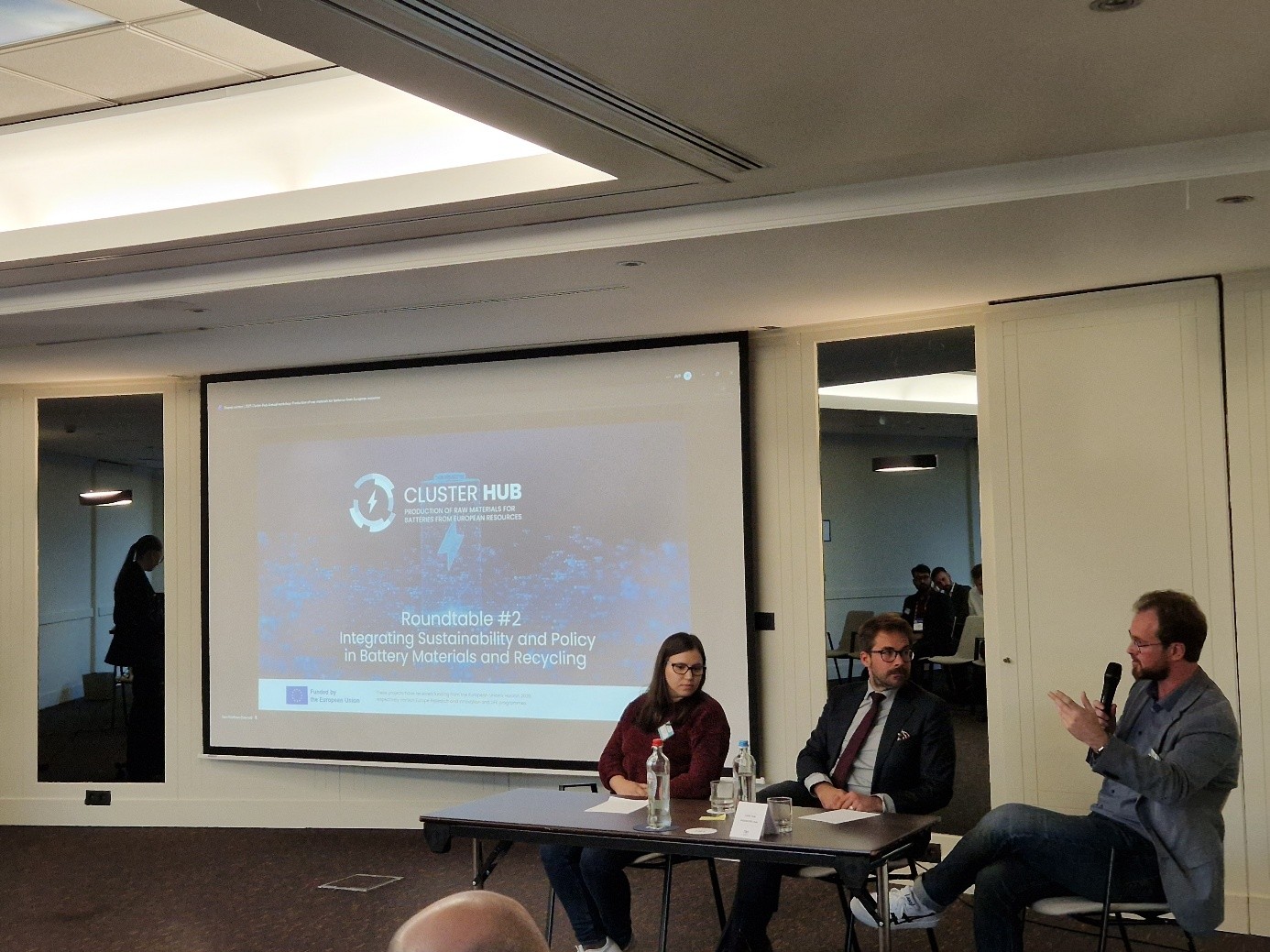
From Mining to Recycling: Redefining the Battery Lifecycle
Annual “Materials for Batteries” Cluster Hub Workshop in Brussels
We use cookies on our website. Cookies help make the website more user-friendly, efficient, and secure.
Please select your cookie preferences
Strictly necessary cookies are cookies required for the website to function and provide the basic information requested by the website user. These cookies are not used for tracking users.
YouTube cookies allow the playback of YouTube videos directly on our website. When YouTube cookies are used personal data or connection information, such as the IP address, may be transmitted to YouTube. By accepting YouTube cookies, you consent to the transfer of this data to YouTube. Please see our privacy policy for more information.
Annual “Materials for Batteries” Cluster Hub Workshop in Brussels
EURICE recently joined the European Commission’s conference From Knowledge to Impact: Shaping Europe’s Next Innovation Wave in Brussele, showcasing two of the team’s key initiatives: the European IP Helpdesk and the Impact Licensing Initiative.
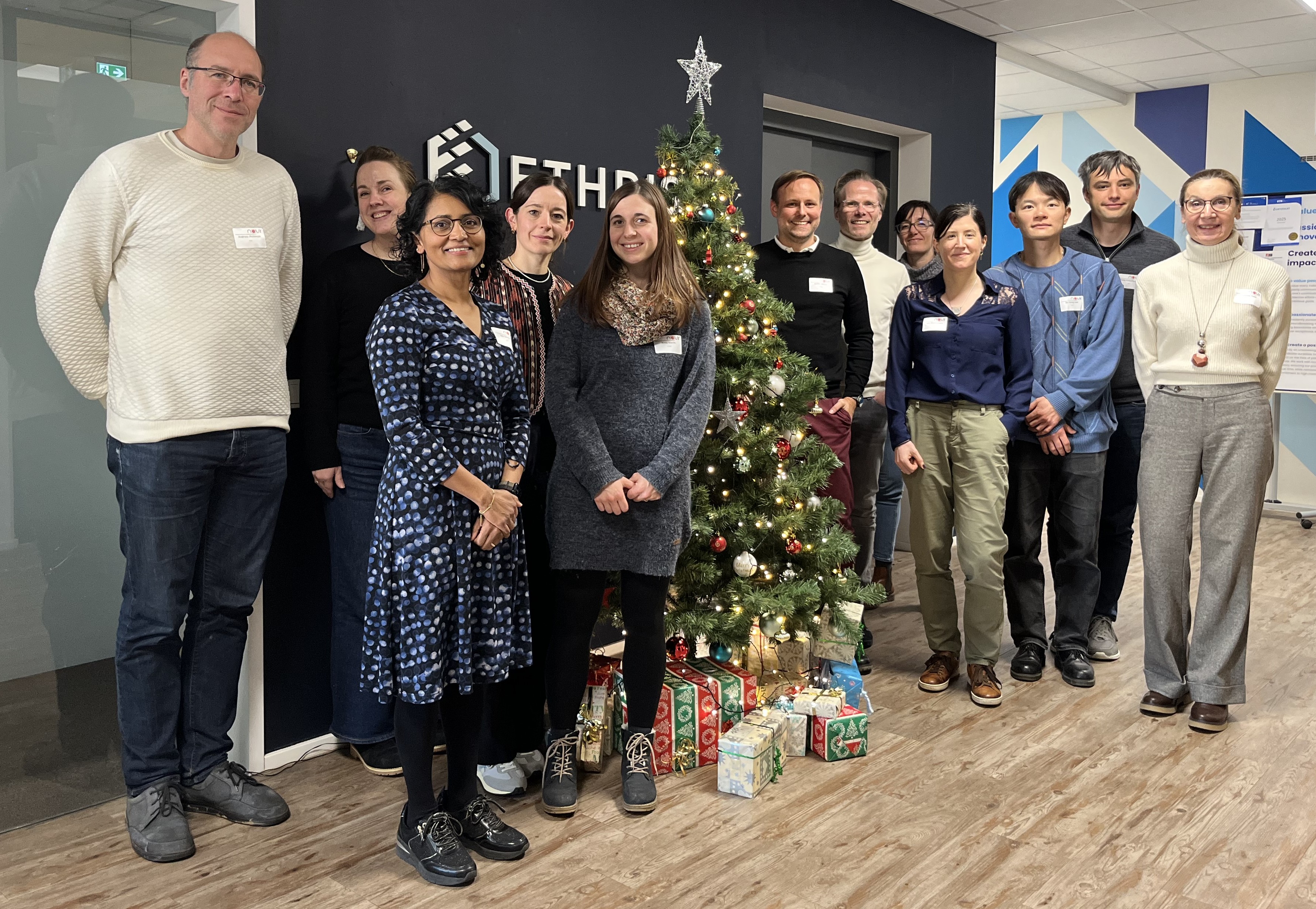
First in-person meeting of the NoVir consortium in Munich
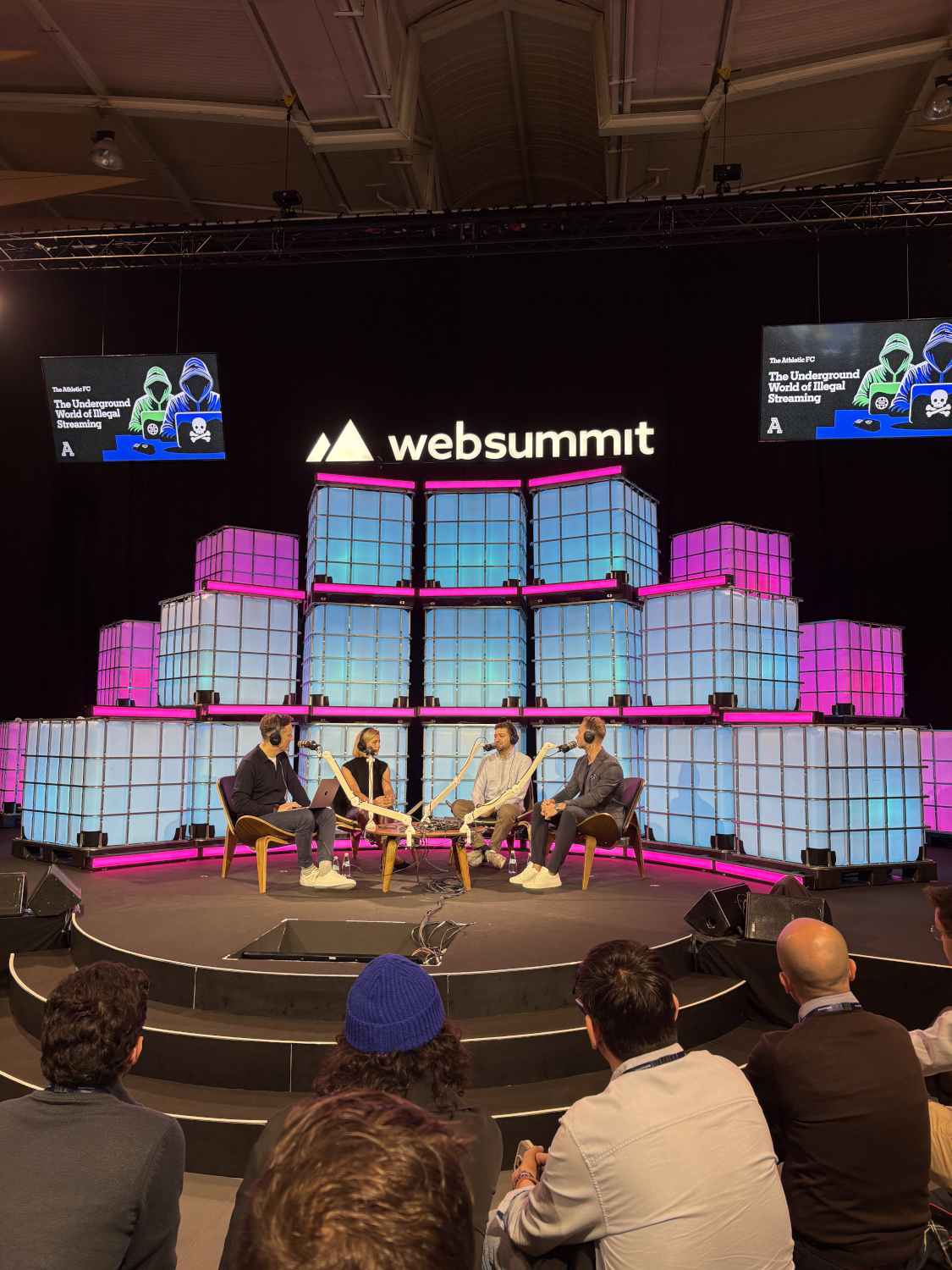
This November, the Web Summit 2025 in Lisbon once again brought together more than 70,000 participants from the global tech and innovation community – a place where ideas, policy, and entrepreneurship intersect. Over the years, the Web Summit has become an integral touchpoint for the European innovation landscape – combining policy dialogue, technology showcases, and entrepreneurial energy.
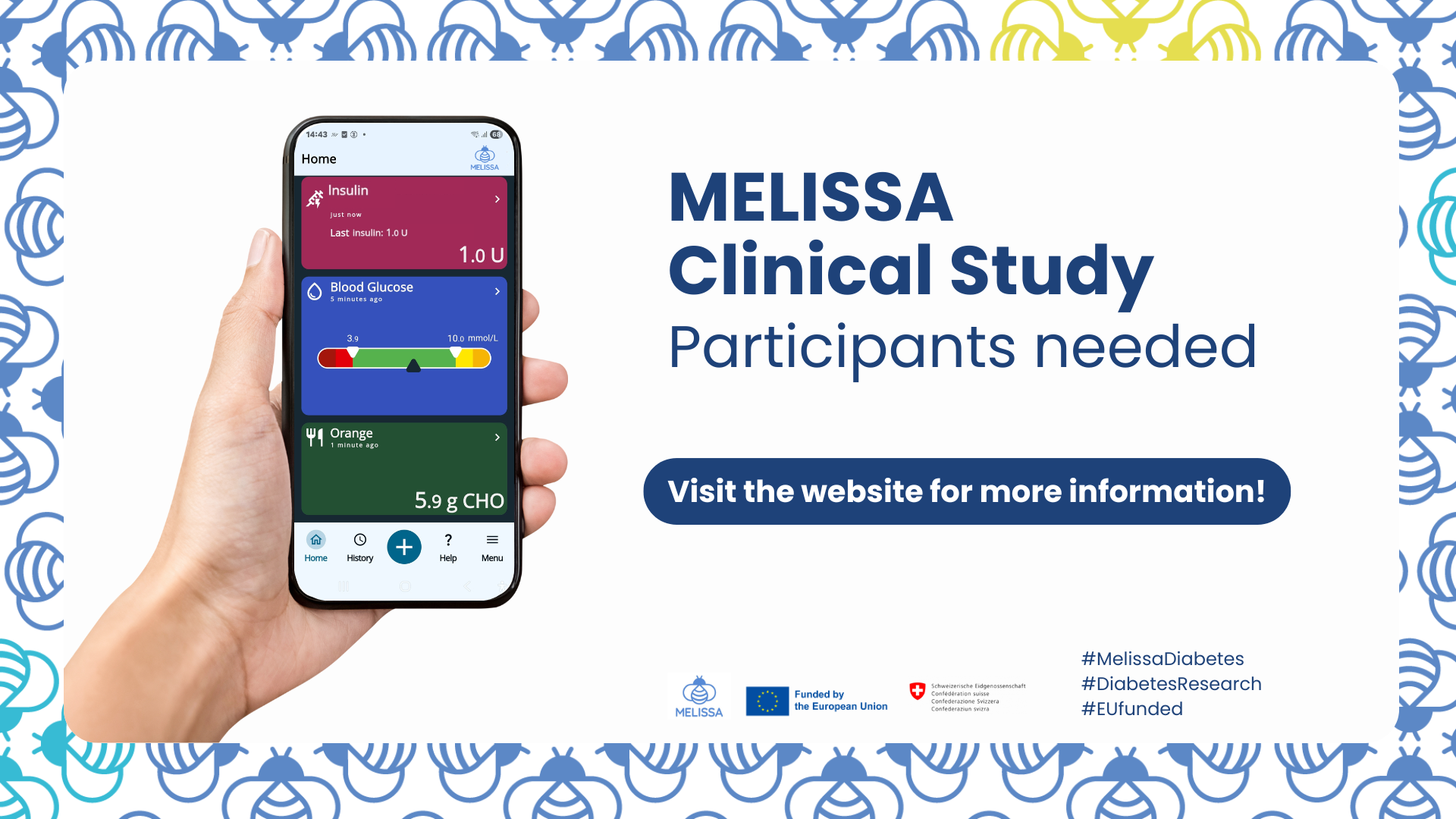
Our diabetes project MELISSA has officially launched a clinical trial to test its platform, marking a major milestone on the path toward personalised, AI-driven diabetes management.
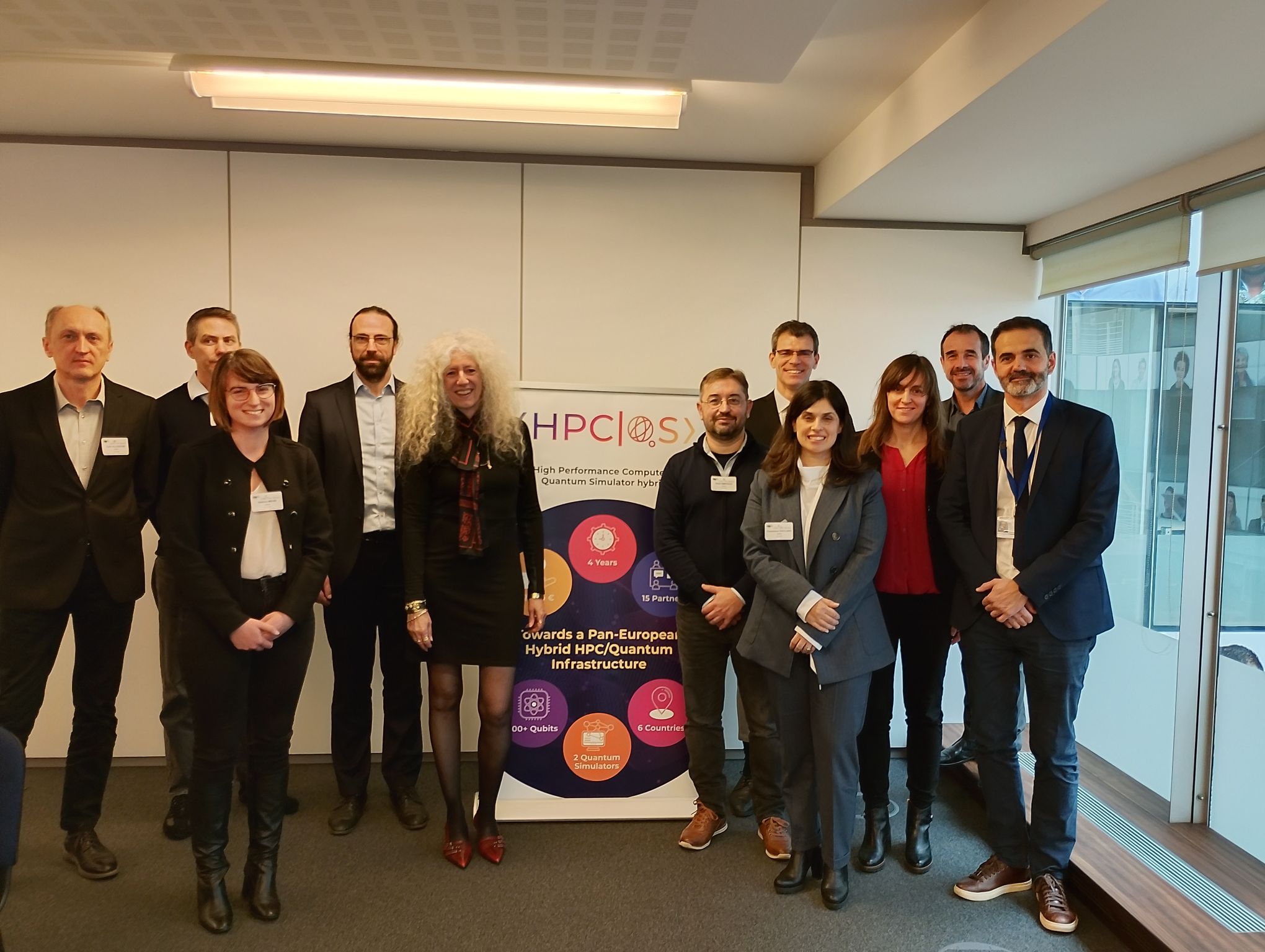
The HPCQS (High-Performance Computing and Quantum Simulator hybrid) project has reached a major milestone with the recent inauguration of two quantum processors — “Jade” and “Ruby” —, now fully integrated into Europe’s high-performance computing (HPC) environments at Forschungszentrum Jülich (FZJ) in Germany and CEA in France. The important achievement was celebrated with a joint event held simultaneously at FZJ, CEA, and the European Commission’s premises in Brussels on 13 November 2025. Our own Francesca Vaccaro, Research & Impact Manager responsible for outreach and exploitation activities in HPCQS, coordinated and moderated the event.
As the global transition toward decarbonised energy systems accelerates, the demand for sustainable and efficient energy storage continues to grow. To address this need, the MeBattery project was launched in 2022 with funding from the European Innovation Council (EIC) Pathfinder programme to rethink battery design and advance more sustainable and durable storage technologies.
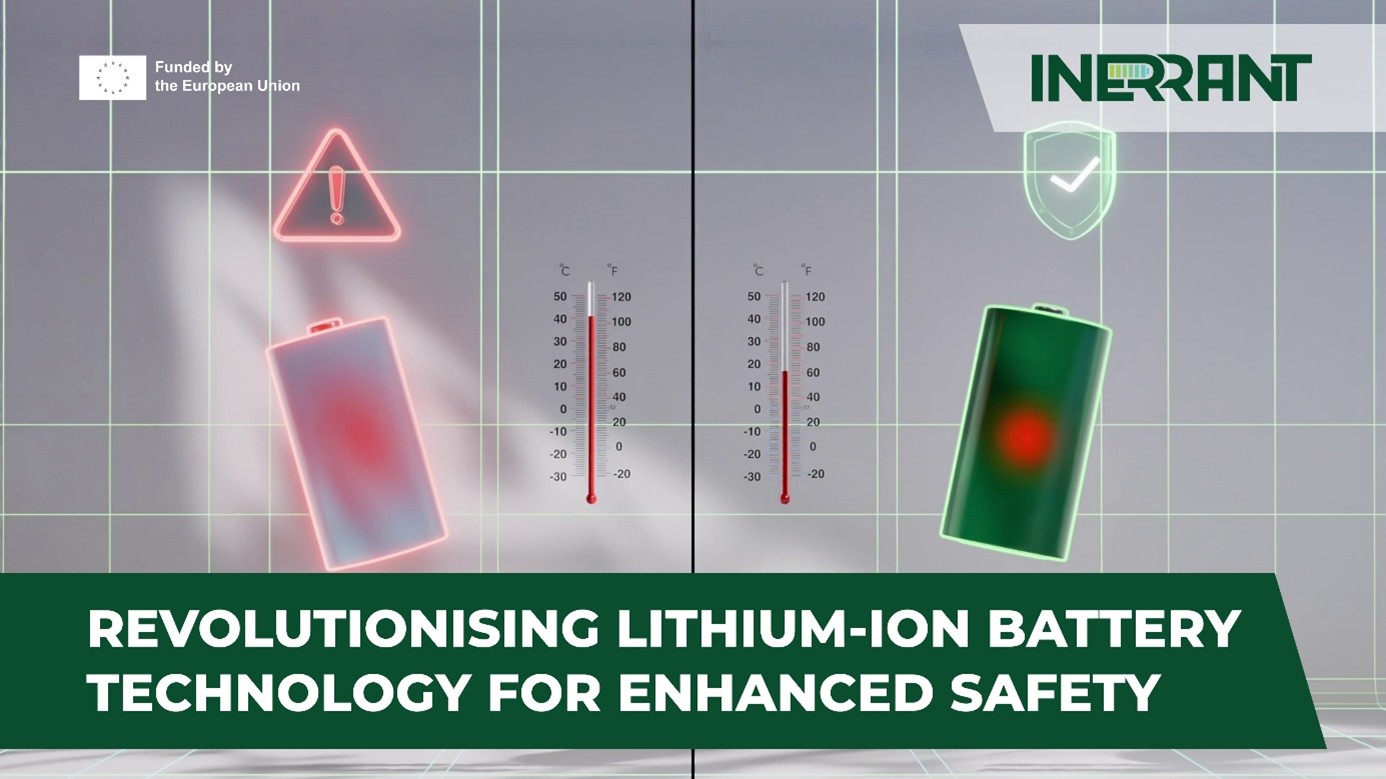
As the world faces the challenges of climate change, environmental degradation, and rapid digital transformation, the demand for innovative battery technologies to support e-mobility, clean energy storage, and consumer electronics has never been greater. Lithium-ion batteries (LIBs) remain among the most vital energy storage solutions available today. However, existing technologies continue to face key challenges in performance, sustainability, and recyclability, while their production heavily relies on critical raw materials.
Completing “the bigger picture”: Launch of new websites marks the next milestone in the Groups’ ongoing evolution
This week, we will join the European Commission’s flagship event From Knowledge to Impact: Shaping Europe’s Next Innovation Wave, taking place in Brussels, Belgium on Thursday, 13 November.
Registration is now open for the 2026 growing season of the INCREASE Citizen Science Experiment. Everyone with a passion for gardening, science and biodiversity is warmly welcome to join through the dedicated “INCREASE CSA” app.
For millions of women and girls across sub-Saharan Africa, living with pain, stigma, and silence has been an unspoken reality. Female Genital Schistosomiasis (FGS), a neglected disease caused by parasitic infection, affects an estimated 50 million women and girls, with another 150 million at risk. Despite its devastating impact including infertility, pregnancy complications, increased HIV risk, and social exclusion, FGS remains largely invisible in medical curricula, public health programmes, and global health priorities.
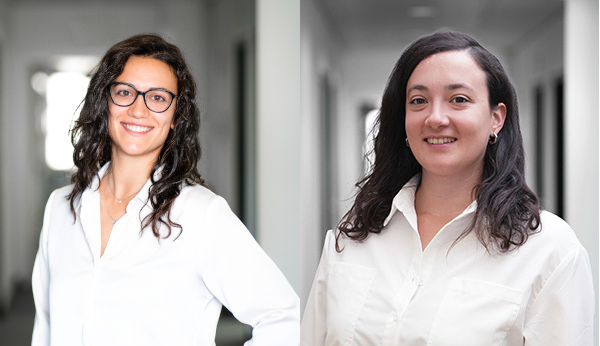
Research often begins with a spark: an idea, a question or a drive to solve problems that matter. But turning that spark into impact requires the right environment, guidance and support. At EURICE, we believe that meaningful collaboration and sustained investment in people are what fuel lasting progress in research.
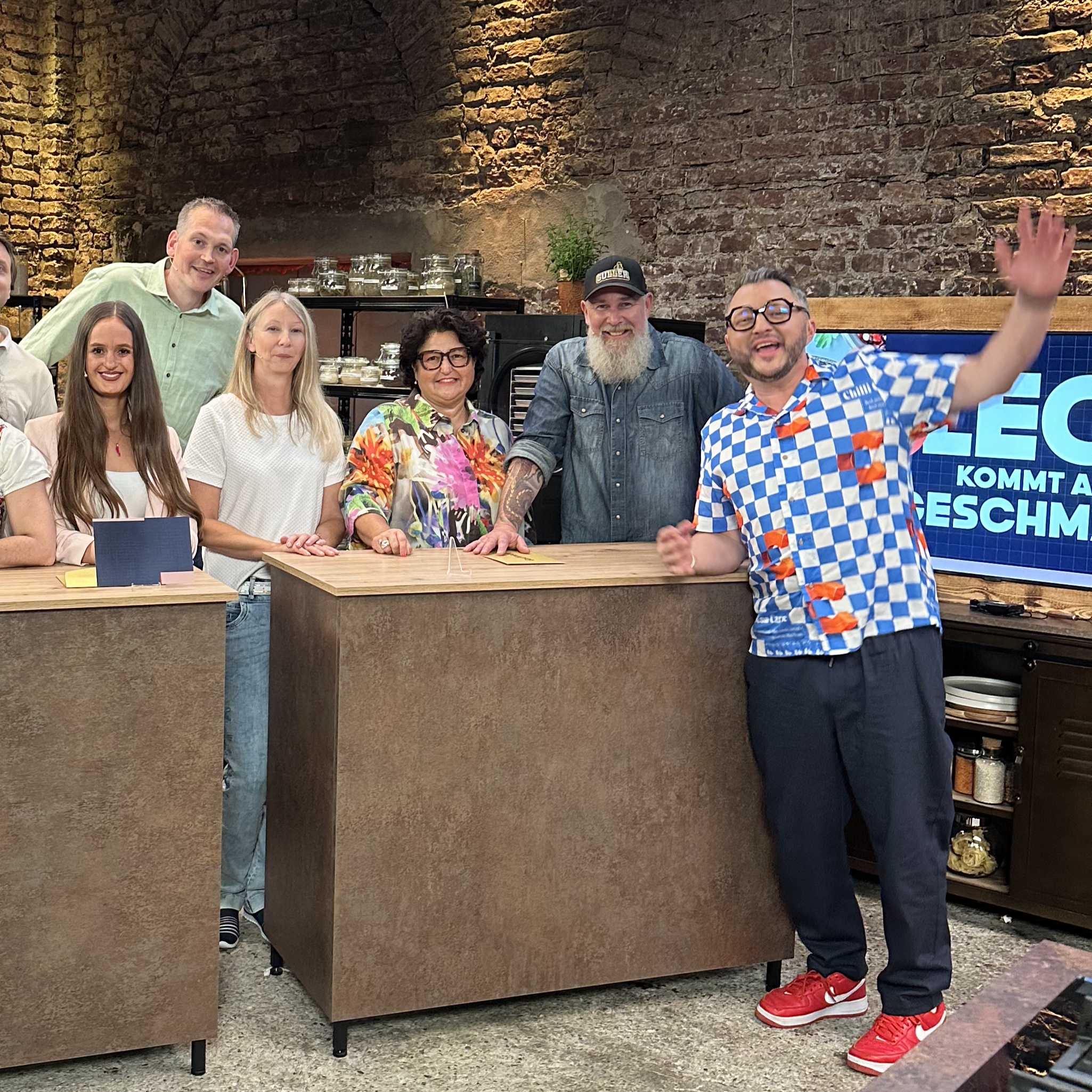
The INCREASE project recently reached a wide audience through national German television. On 27 October 2025, INCREASE was featured in the popular VOX TV cooking show Lege kommt auf den Geschmack (“Lege acquires a taste for it”), where product developer Sebastian Lege set out to create “Das perfekte Chili” – the perfect chili con carne.