 Food & Nature
ProPollSoil
Unravelling the Hidden Links between Soils and Pollinators

At a Glance
- Understanding the relationship between soil health and soil dependent pollinators
- Identifying hotspots of healthy soil supporting diverse pollinators
- Improving habitats for pollinators across farmed and managed lands
- Taking direct action to stop biodiversity loss
Understanding Soil-Pollinator Relationships
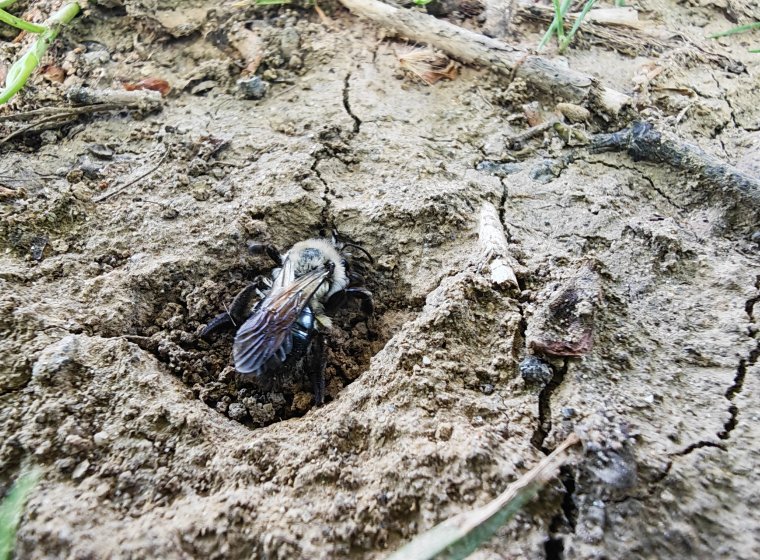
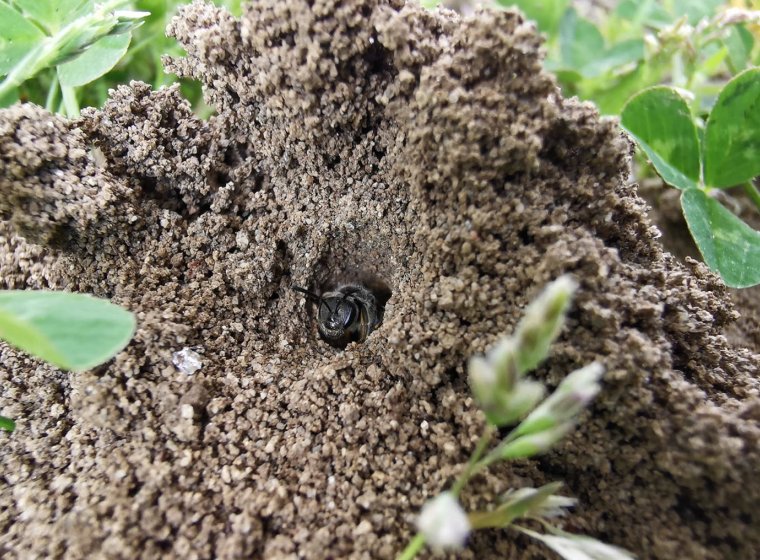
Pollinators such as bees, hoverflies, wasps, beetles, and ants are crucial for sustaining biodiversity, agriculture, and food security. Yet many of these species spend part of their life cycle in or on the soil, making them vulnerable to soil degradation, contamination, and intensive land management. Despite this, the role of soils in pollinator health remains largely overlooked and we know little of what these soil-dwelling pollinators need to thrive or how modern soil management practices may be putting both pollinators and the essential ecosystem services they provide at risk. The knowledge developed in the ProPollSoil project will help to ultimately protect and restore soils and the pollinators that depend on them. To make this happen, the project will identify the last remaining hotspots of healthy soil supporting diverse pollinators, improve habitats for pollinators across farmed and managed lands and take direct action to stop biodiversity loss.
Soil-Pollinators: Understand, Manage, Protect
In nine case study regions across Europe, the project will bring together farmers, scientists, land managers and other local actors to co-design hands-on experiments that tackle real-world challenges. Citizens will also play a key role in helping monitor biodiversity and sparking greater awareness and appreciation for nature in their own communities. By bridging soil science, pollinator ecology, and socio-economic research, ProPollSoil will contribute directly to the EU’s Mission Soil, which aims to restore Europe’s soils by 2023, and the revised EU Pollinators Initiative: A New Deal for Pollinators. ProPollSoil will ultimately use the developed knowledge to recommend pollinator-safe soil management practices and inform conservation and restoration activities targeting both soil health and pollinator habitat.