
Sourdough bread, yogurt, kimchi and cheese have been part of human diets for thousands of years. Long before refrigeration or industrial processing, fermentation offered a simple way to preserve food and deepen its flavour.
Today, these age-old practices are making a quiet return. Not as a passing food trend, but as something scientists are starting to take seriously again. Behind this renewed interest lies a bigger question: could fermentation help shape the future of how we eat?

More Than Just a Food Trend
At its core, fermentation is a natural process in which microorganisms such as bacteria, yeasts or fungi transform raw ingredients. In doing so, they don’t just change taste and texture. They also alter how food interacts with our bodies.
This has drawn attention from researchers studying the gut microbiome, the complex community of microbes living in our digestive system. There is growing evidence that what we eat can influence this ecosystem, with potential effects on digestion, metabolism and overall health.
Fermented foods are often associated with these benefits. But the picture is not straightforward. Not all fermented products are the same, and their effects can vary widely. For scientists, this makes fermentation less of a miracle solution and more of a promising field that still needs careful, evidence-based exploration.
A Tool for More Sustainable Diets
Beyond health, fermentation is gaining attention for another reason: sustainability. As food systems come under pressure, from climate change to resource constraints, there is increasing interest in how we can produce and consume food differently. Fermentation offers several advantages that fit well within this shift.
It can extend shelf life and help reduce food waste. It can improve the nutritional qualities of raw ingredients. And it can transform plant-based materials such as legumes and cereals into foods that are more digestible, flavourful and appealing.
This matters because many of the foods expected to play a bigger role in future diets are plant-based. Yet these ingredients don’t always translate easily into enjoyable products. Fermentation provides a way to bridge that gap, turning necessity into opportunity.
Innovation Rooted in Tradition
What makes fermentation particularly compelling is the way it connects old practices with new science. Even in antiquity, thinkers like Aristotle and Pliny the Elder were intrigued by its seemingly “living” transformations, as grapes turned into wine, dough rose, and flavours deepened in ways they could observe but not yet explain.
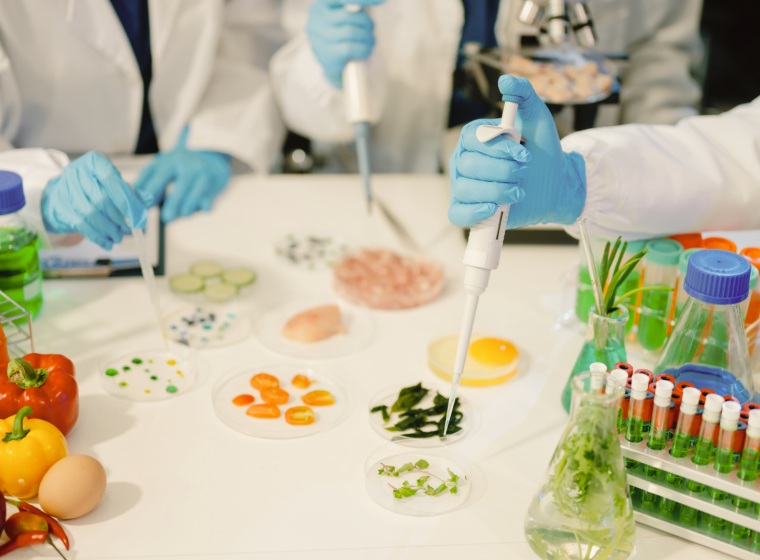
Techniques that have been used for centuries are now being revisited with modern tools. Researchers are identifying specific microorganisms, studying how they interact with our bodies, and developing new fermentation processes tailored to health and sustainability goals. Across Europe, collaborative research initiatives, such as HealthFerm, are exploring how fermented plant-based foods can support both human health and more sustainable diets.
A Future Shaped by Microbes
Fermentation is not a silver bullet for the challenges facing our food systems. But it offers a useful reminder: innovation does not always mean starting from scratch. Sometimes, it means looking again at what we already know and understanding it better. By bringing together tradition, science and changing dietary habits, fermentation opens up new ways of thinking about food. In that sense, a technique that once captured the attention of Aristotle and Pliny the Elder may now help redefine the future of what we eat.