
The upcoming EU Green Week 2026 on 3–4 June will once again bring together policymakers, investors, researchers, farmers, businesses and civil society to discuss the future of European environmental policy. This year’s theme, “Investing in a nature-positive economy”, focuses on how environmental sustainability can strengthen Europe’s competitiveness while creating economic opportunities linked to the green transition.
While nature and economy are too often seen as contradictory challenges, across Europe multiple research and innovation projects are already developing practical solutions that can strengthen economic resilience, support businesses, create new services and contribute to more sustainable societies.
Looking at just a few projects from our Food & Nature portfolio helps illustrate how research can contribute to a nature-positive economy in practice. Together, these projects demonstrate how interconnected research areas — from soil biodiversity and ecosystem monitoring to sustainable food systems — can contribute to more resilient value chains, improved environmental decision-making and new economic opportunities for Europe.
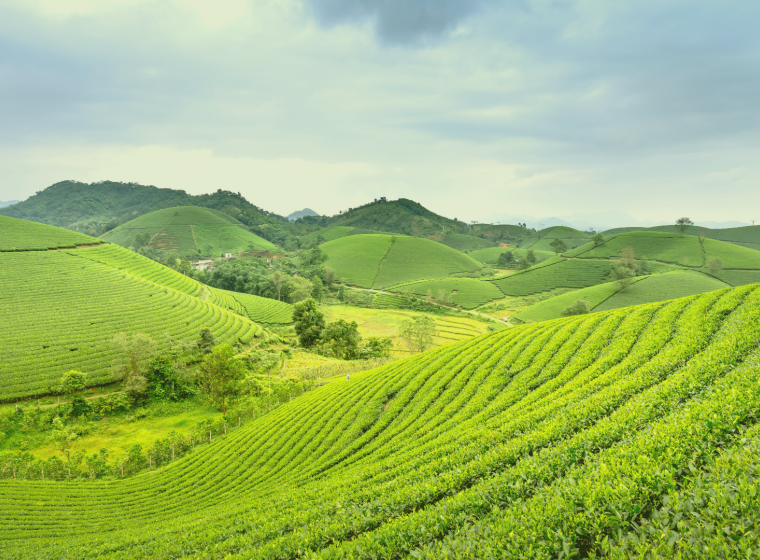
Soil Biodiversity as an Economic Asset
The SOB4ES project, coordinated by the University of Vigo, focuses on advancing the understanding of soil biodiversity and its role in ecosystem services, from water purification to climate regulation.
Through soil monitoring protocols, soil biodiversity assessment support tools and rankings of cost-effective soil biodiversity indicators, SOB4ES contributes to making soil health more measurable and comparable across regions. This has clear economic relevance: improved and more comparable soil data can support evidence-based land management decisions, enhance agricultural productivity, and reduce losses associated with soil degradation and declining soil quality. Healthier soils are not just an environmental goal — they are a foundation for more efficient and resilient land use and production systems across Europe.
From Ecosystem Monitoring to Agricultural Productivity
ProPollSoil, coordinated by the Technical University of Munich, works to protect and restore soils and their associated soil-dependent pollinators.
Beyond its environmental focus, the project contributes to enabling new specialised markets in environmental monitoring and consultancy, as demand grows for better ways to measure ecosystem health and sustainability performance. In practical terms, better monitoring of soils and pollinators translates into higher agricultural productivity, lower costs linked to ecosystem degradation, and more efficient decision-making in land management.
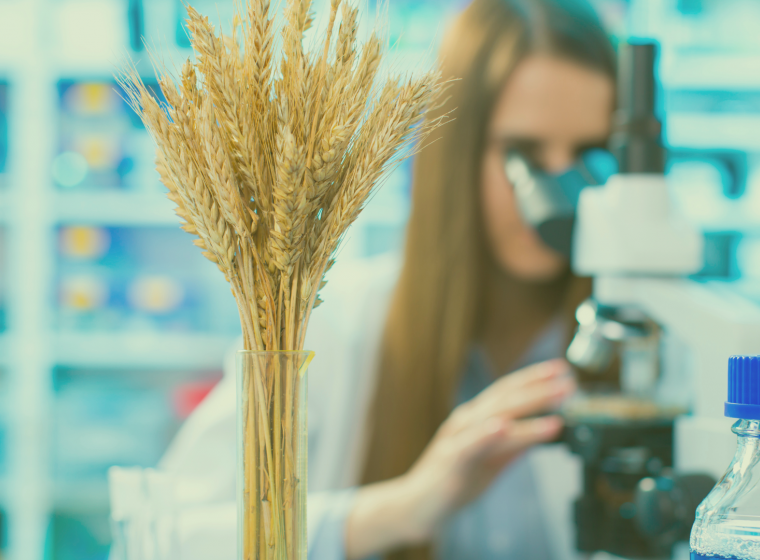
Strengthening Competitiveness Through Food Innovation
HealthFerm, coordinated by KU Leuven, investigates fermented foods and their role in healthier and more sustainable diets, focusing on fermentation processes, microbial activity and nutritional outcomes.
The project also highlights clear economic opportunities in the growing fermented food sector. By improving scientific understanding and production processes, the project can support innovation in food products, strengthen SME competitiveness and respond to increasing consumer demand for healthier and more sustainable food options. At the same time, healthier dietary choices may contribute to improved public health outcomes, with potential long-term benefits for healthcare systems.
As discussions at EU Green Week 2026 will continue to explore pathways towards a nature-positive economy, it is also clear that research and innovation remain essential for translating ideas into practical solutions that support Europe’s competitiveness, resilience and long-term economic value.
Projects such as SOB4ES, ProPollSoil and HealthFerm demonstrate that investing in environmental research is also an investment in resilient economies, sustainable innovation and long-term societal value.