
When we think of scientific research, we often picture large international conferences, specialised journals, or laboratories equipped with advanced technology. It is a world shaped by controlled environments, technical expertise, and established research infrastructures.
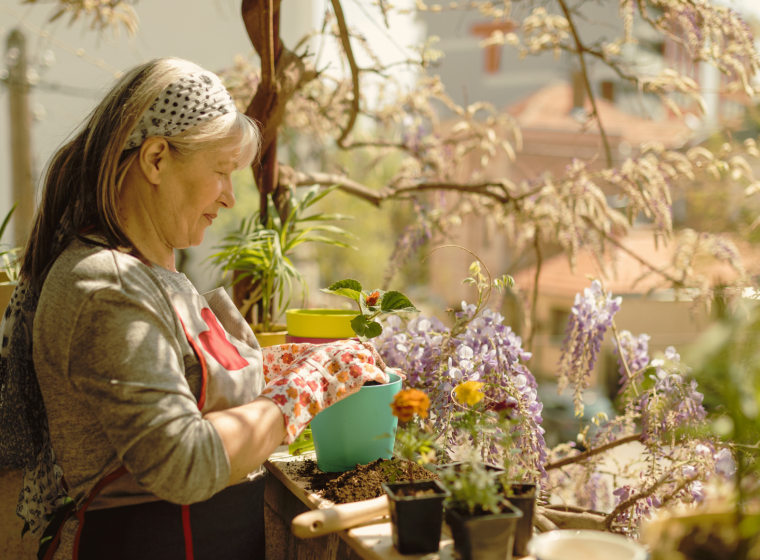
But research does not have to be limited to these settings. In some cases, it can take place much closer to everyday life, where relatives, neighbours, and non-experts can make meaningful contributions. Sometimes, all it takes is a garden, a balcony, or a small patch of soil.
A Different Kind of Science-Making
Across Europe, people are already taking part in new ways of producing knowledge. In some food research initiatives, everyday volunteers collaborate with experts, helping to accelerate research and broaden its scope.
The approach is simple. Participants receive seeds, often traditional or less common crop varieties such as beans. They plant them, care for them, and record how they grow. What might seem like a small, individual activity becomes something much larger when repeated thousands of times. Differences in climate, soil and growing conditions begin to reveal how each variety performs in real-world conditions.
The result is not just a harvest, but data. Information that can help researchers understand which crops are more resilient, more productive, or better suited to future conditions.
Why Diversity Matters
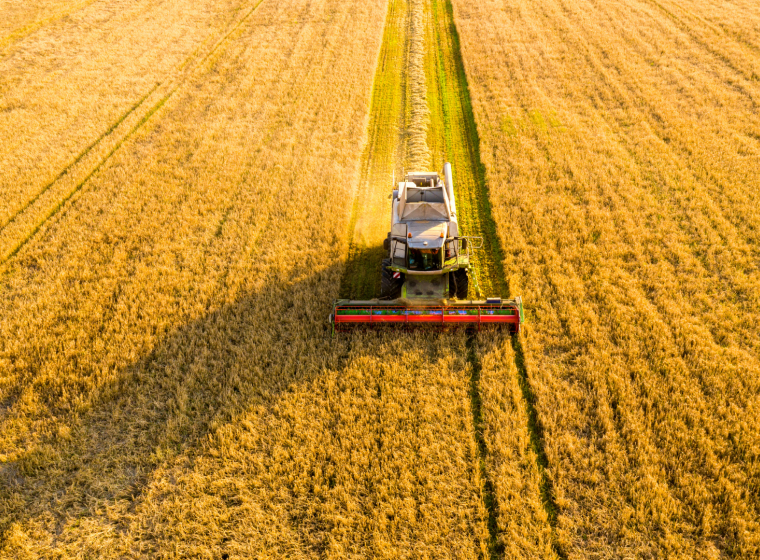
This kind of participatory research is closely tied to a broader issue: the loss of crop diversity. Over time, agriculture has become more standardised. A relatively small number of varieties are grown at scale, while many others have fallen out of use. Yet these older or less common varieties often carry traits that could become important again, especially as growing conditions change.
Keeping this diversity alive is not just about preservation. It is about ensuring that it remains usable, tested and relevant in real-world contexts.
Beyond the Laboratory
Traditional approaches to conserving crops often rely on seed banks, where varieties are stored under controlled conditions. These collections are essential, but they remain largely static.
Growing plants in real environments adds another layer of understanding. It shows how they perform, how they adapt, and how they respond to changing conditions over time.
By involving citizens, research becomes more distributed. Instead of being confined to a single location, experiments take place across regions, climates and contexts that would be difficult to reproduce in controlled settings.
A Quieter Transformation
This does not replace traditional research. Laboratories, controlled trials and scientific expertise remain essential. But it shows that research does not have to be confined to one place or one group. Under the right conditions, it can be shared, with citizens contributing directly to the production of knowledge.
The future of food will depend on many factors, from climate to technology. But it may also depend on something simpler: how well we observe, understand and make use of the diversity that already exists.
And sometimes, that process might start not in a lab, but in someone’s garden.