 Society
INCREASE
Growing Biodiversity Together: How Citizen Science Drives Europe’s Legume Future

At a Glance
Citizen science experiment testing a novel, decentralised approach to conserving, managing and characterising legume genetic resources - awarded the 2024 EU Prize for Citizen Science
Creation of intelligent collections and innovative conservation strategies through participatory citizen science
Improved management and sharing of legume genetic resources, focusing on common bean, lentil, chickpea and lupin

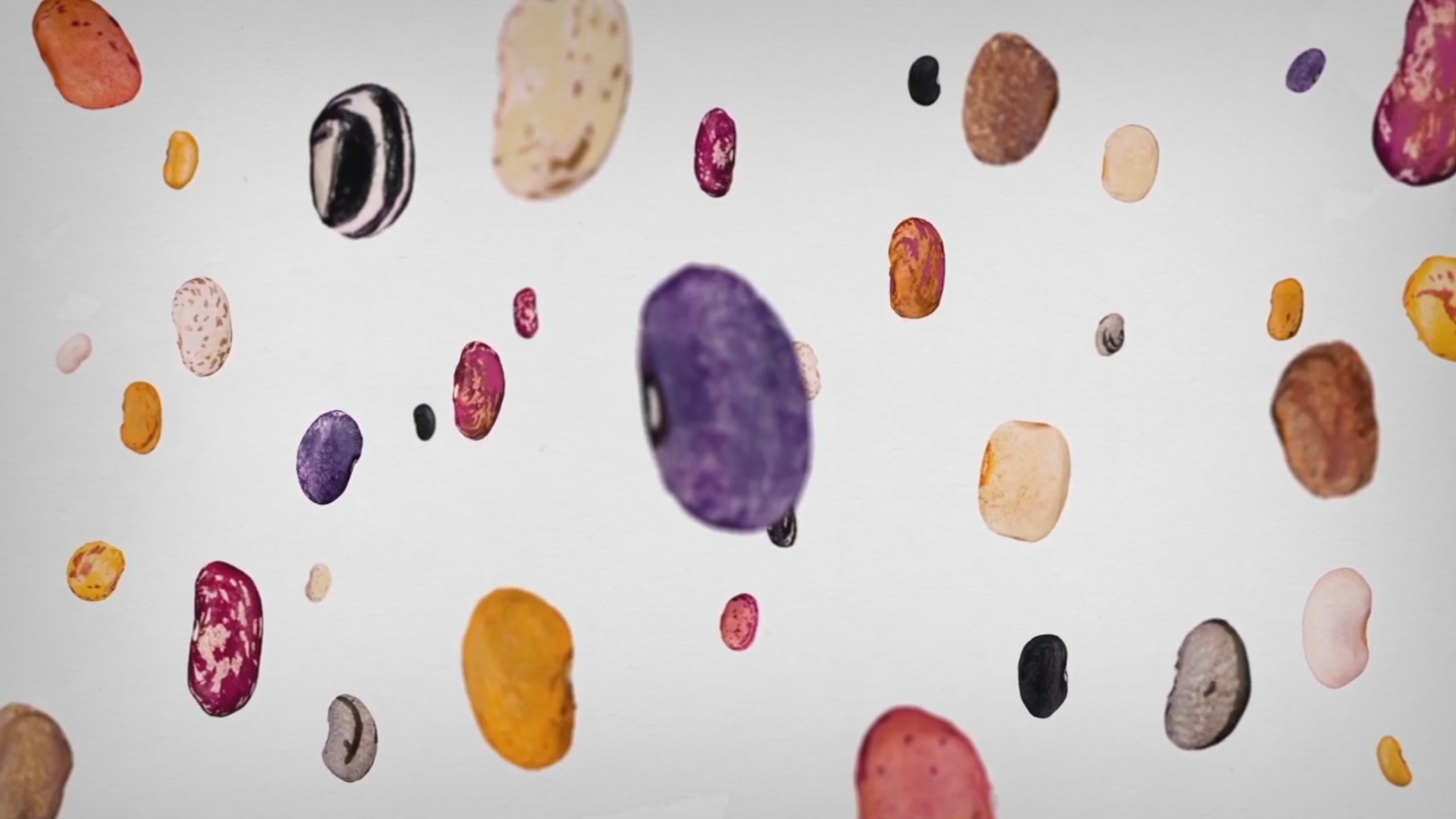
Preserving Legume Agrobiodiversity
Biodiversity and agrobiodiversity are at great risk. The change of our climate is one main factor in losing the unique diversity of life on our planet. And so, the diversity in crops is in steady decline.
At the same time, human plant protein intake is on the rise in many EU regions and the market for meat and dairy alternatives is undergoing annual growth rates of 14% and 11% respectively. To face the increasing demand for innovative products and comply with the citizens’ demands for healthy and environmentally friendly food, novel varieties are needed and existing genetic resources in crop breeding must be properly exploited. However, especially in the field of food legumes, breeding investment and research have been modest, leading to a largely unexplored genetic potential of these important staple food crops.
Cutting-edge Approaches for Agrobiodiversity Preservation
Focusing on chickpea, common bean, lentil and lupin, INCREASE develops, tests and implements a new approach to conserve, manage and characterise genetic resources through participatory research to foster agricultural biodiversity in Europe.
INCREASE combines cutting-edge approaches in plant genetics and genomics, high throughput phenotyping, including molecular phenotyping (e.g. transcriptomics and metabolomics), with most recent advances in information technology and artificial intelligence to boost the conservation of European crop genetic resources and promote their use and valorisation.
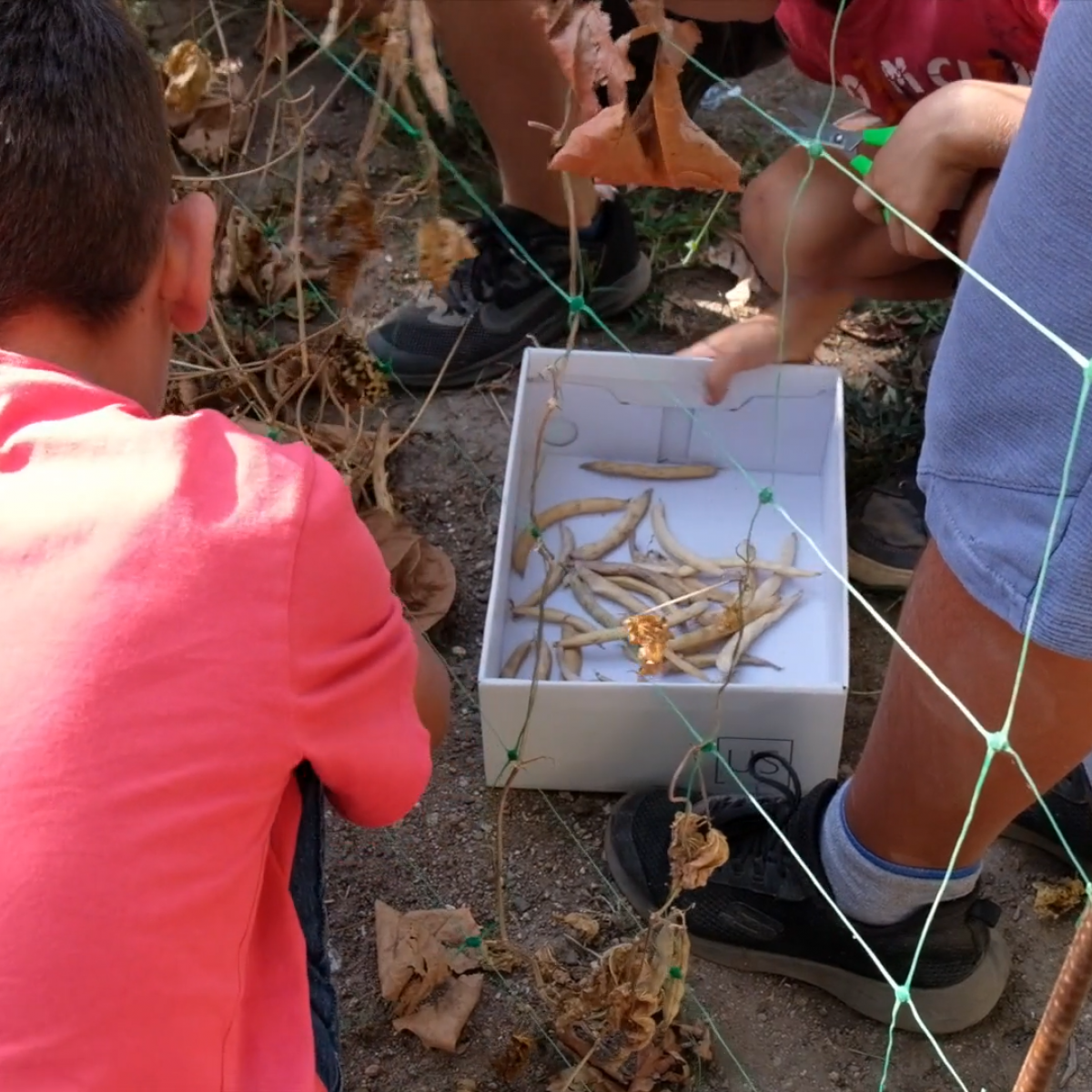
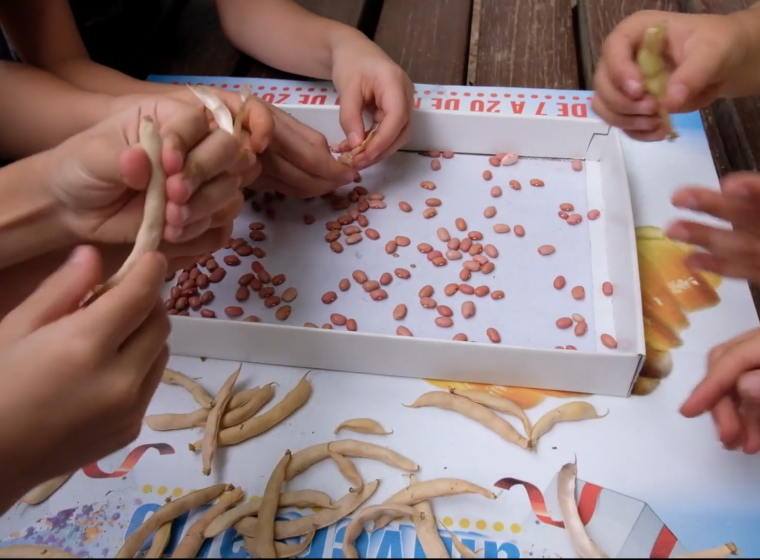
At the heart of INCREASE lies a Citizen Science Experiment: citizens across Europe contribute to and test an innovative decentralised approach to seed conservation, multiplication and sharing to conserve agrobiodiversity.