
The twin transition, the shift towards a greener economy alongside a more digital society, is often presented as a story of progress. Cleaner mobility, smarter food systems and more efficient infrastructure are expected to shape a more sustainable future. Yet this vision rests on a simple assumption: that the benefits of this transformation will be shared by all people in the same way. What if they are not?
One way to explore this question is through scenarios. Not as predictions, but as structured ways of thinking about what could happen, depending on the choices made today.
One Transition, Many Possible Futures
In the READJUST project, such scenarios have been developed to explore how the twin transition could reshape society, with a particular focus on mobility and food systems.
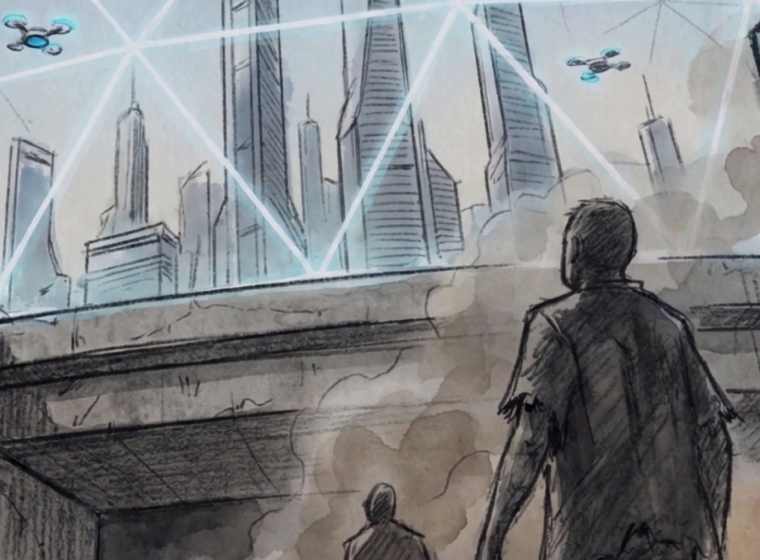
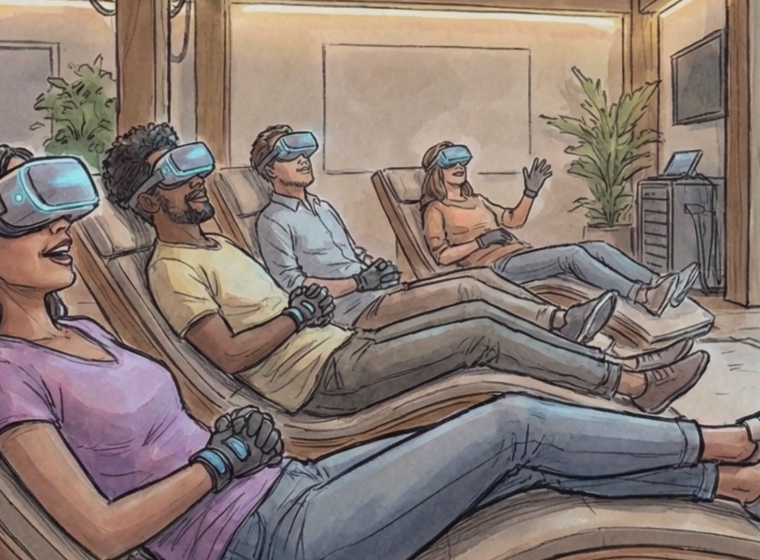
Looking ahead to 2050, four scenarios point to very different everyday realities. In some, clean and highly efficient systems connect major cities through seamless mobility and controlled food production, but access to these systems is uneven, leaving entire regions with fewer options and greater exposure to risk. In others, the same systems are widely available and highly optimised, ensuring stability and security, yet shaping daily routines in ways that limit individual choice. Elsewhere, more local and self-sufficient models emerge, giving communities greater control over food, energy and mobility, but also creating new boundaries between those who are connected and those who are not.
Why Imagining These Futures Matters
What these scenarios make visible is not only how systems might evolve, but also how inequalities can take shape within them. They also make long-term consequences easier to grasp. Decisions that seem technical today, whether about infrastructure, data or supply chains, can shape everyday life in lasting ways.
Who moves easily, who has access to quality food, who benefits from digital systems, and who is left navigating their limits. By placing different possibilities side by side, scenarios help to question current assumptions. They make it possible to ask whether the twin transition, as it is currently imagined, delivers on its promise not only in environmental or technological terms, but also in social ones.
Acting Now to Reduce Inequalities
They also provide a useful tool for policymakers, helping to anticipate risks, test different approaches, and adapt policies in light of long-term societal impacts.
If inequalities are not comprehensively addressed, the transition risks creating systems that are efficient but exclusionary, resilient but fragmented, or stable but restrictive. In the end, the way we imagine 2050 today will shape the reality we live in tomorrow—and whether it reflects shared progress or deepening divides.